


Recently, there was a day where unexpected whitespace showed up. A few hours suddenly free on a workday where kids were at school, and I had the house to myself. Almost immediately, instead of feeling relieved or relaxed, I could sense a restlessness.
My mind was scanning:
What should I be doing?
What could I get ahead on?
What needs to be completed, prepared, organized, answered?
All the “-ing” words started showing up, even though nothing external to me was demanding anything.
I also noticed a slightly contracted feeling in my body. A little more energy moving through my system. A faster heart rate. Not quite “anxiety,” but definitely not ease either. More of a feeling that I needed somewhere to put my energy versus simply resting in the fact that time had unexpectedly opened up.
And honestly, I think many of us are living this way, and it’s become the norm.
This is partly why the conversation around cortisol has been catching my attention. It seems at least in the perimenopause world there is so much messaging about “high cortisol” and how to fix it: expensive cortisol cocktails, powders, supplements, hormone hacks, detoxes, and endless advice about regulating our nervous systems.

What is cortisol, exactly?
Cortisol is a hormone produced by the adrenal glands that plays an essential role in keeping the body functioning properly.
It helps regulate:
blood sugar
metabolism
inflammation
blood pressure
circadian rhythm
the body’s stress response
Cortisol naturally follows a daily rhythm. Levels are typically highest in the morning to help us wake up and gradually decline throughout the day so we can wind down at night.
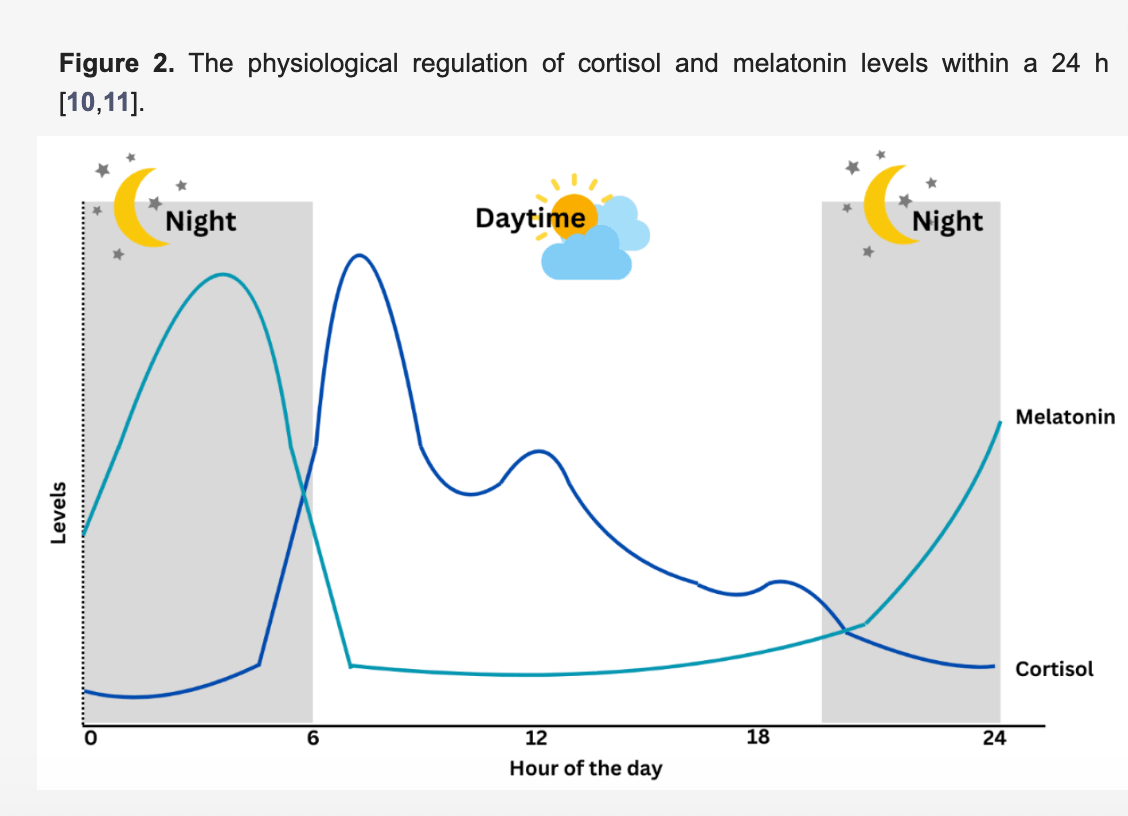
Healthy cortisol is not supposed to stay perfectly steady all day, it’s designed to fluctuate.
Temporary increases are completely normal. Exercise, emotional stress, public speaking, illness, lack of sleep, and even excitement can all trigger short-term spikes in cortisol. This is not a design flaw, it is part of the body’s built-in survival system.
The issue is often not simply “high cortisol,” but a disrupted cortisol rhythm, such as elevated evening cortisol, poor sleep-related recovery, or chronic stress that keeps the body in a prolonged state of physiological strain.
The problem is not cortisol itself. The concern is chronic physiological stress: when poor sleep, ongoing emotional strain, under-eating, overtraining, caregiving demands, or burnout prevent the body from fully recovering over time.
Eventually, that chronic stress load can affect energy, mood, cravings, sleep quality, and overall well-being.
Why Cortisol Gets Blamed for Weight Gain
Many people experiencing chronic stress, burnout, poor sleep, hormonal shifts, or major life transitions notice symptoms like:
weight gain
fatigue
disrupted sleep
brain fog
cravings
low motivation
feeling “off” in their own bodies
For women in perimenopause, these changes can feel especially frustrating as shifting hormones, sleep disruption, and changes in body composition often overlap with already demanding life stages.
Social media often offers a simple explanation: “It’s your cortisol.”
But cortisol has increasingly become an oversimplified catch-all for complex physiological and lifestyle factors that influence health and weight over time.
Let’s look at a few common myths, and the evidence, or lack thereof, to support it:
Myth #1: “Cortisol Is Bad”
Cortisol has developed a terrible reputation, but we need cortisol to function.
Healthy cortisol levels help us:
wake up in the morning
think clearly
regulate inflammation
maintain blood pressure
respond to stress
fuel physical activity
The goal is not to “eliminate” cortisol or keep it artificially low. The goal is resilience: helping the body respond to stress appropriately and recover effectively.
A healthy stress response is protective.
Myth #2: “High Cortisol Is Why I’m Gaining Belly Fat”
Abdominal weight gain during perimenopause is incredibly common, but it is rarely caused by cortisol alone.
Changes in body composition during midlife are influenced by many factors, including:
aging
estrogen fluctuations
muscle loss
sleep disruption
reduced physical activity
insulin resistance
stress eating
chronic dieting history
Chronic stress can absolutely influence appetite, cravings, emotional eating, energy levels, and sleep quality. But cortisol alone is rarely the sole reason weight loss feels harder.
In fact, some behaviors marketed as “healthy” may actually increase stress burden on the body:
chronic under-eating
excessive cardio
skipping meals
overtraining
restrictive diets
Extreme cortisol excess, such as Cushing syndrome, is a serious medical condition, but it is relatively rare and medically distinct from the normal body changes many women experience during midlife.
What About “Adrenal Fatigue”?
You may have heard the term “adrenal fatigue” used online to explain symptoms like exhaustion, burnout, brain fog, cravings, poor sleep, and low energy.
While these symptoms are very real, “adrenal fatigue” itself is not a recognized medical diagnosis.
Current research does not support the idea that the adrenal glands simply become “worn out” from everyday stress.
That said, chronic stress can absolutely affect the body in meaningful ways. Sleep deprivation, emotional overload, under-fueling, overtraining, caregiving stress, and burnout can all influence how the body regulates stress hormones and energy over time.
True adrenal insufficiency, such as Addison’s disease, is a serious medical condition diagnosed through laboratory testing and medical evaluation.
For most people, the goal is not to “repair exhausted adrenal glands,” but to address the lifestyle, stress, sleep, nutrition, and recovery patterns that may be contributing to persistent symptoms.
Myth #3: “Coffee Is Spiking My Cortisol”
Coffee has become another target in the wellness world, especially for women in perimenopause.
Yes, caffeine can temporarily increase cortisol levels. But that does not automatically mean coffee is harmful.
For many people, moderate coffee intake is associated with health benefits, including improved focus, physical performance, and even lower risk of certain chronic diseases.
The bigger concern is often the context around caffeine use:
relying on coffee while chronically sleep deprived
drinking coffee instead of eating breakfast
consuming excessive caffeine under high stress
using caffeine to compensate for burnout
A morning latte is not the reason most women are struggling with weight gain or hormonal symptoms.
That said, some women do notice they feel better with less caffeine, especially if they experience anxiety, poor sleep, heart palpitations, or digestive discomfort. Individual tolerance matters.
The goal is not fear, it is awareness.
Myth #4: “Online Cortisol Tests Can Tell Me What’s Wrong”
At-home cortisol testing has become increasingly popular, but cortisol is a complicated hormone to measure and interpret.
Cortisol naturally fluctuates throughout the day. Levels change in response to sleep, exercise, stress, illness, medications, and even anticipation of the test itself.
Many direct-to-consumer saliva or urine tests provide data without enough clinical context to make meaningful conclusions.
An elevated cortisol reading does not necessarily mean there is something medically wrong. And a “normal” result does not always explain why someone feels exhausted, overwhelmed, or burned out.
Testing can absolutely be appropriate in certain medical situations, such as evaluating suspected endocrine disorders like Cushing syndrome or adrenal insufficiency. But for most people, online cortisol testing is unlikely to provide the simple answers social media promises.
In some cases, these tests can create unnecessary anxiety or lead people toward expensive supplement protocols with little scientific support.
Data without context can sometimes create more confusion than clarity.
What Actually Supports a Healthy Stress Response
Supporting cortisol is less about “hormone hacking” and more about supporting the nervous system consistently over time.
The most effective interventions are often the least glamorous. Whomp, whomp, boo.
Prioritize Sleep
Sleep is one of the most powerful regulators of stress physiology.
Helpful strategies may include:
maintaining a consistent sleep schedule
getting morning light exposure
limiting late-night screen time
creating calming evening routines
Nourish Consistently
Under-fueling can increase stress on the body.
Focus on:
eating enough overall
prioritizing protein at most meals
including carbohydrates regularly
avoiding extreme restriction
eating consistently and around the same time throughout the day
Balanced Movement
Exercise can improve stress resilience, blood sugar balance, sleep, and mood, but more is not always better, especially during seasons of high stress.
For some people, intense exercise without enough recovery can become another stressor on the body. Signs you may need more recovery include:
feeling exhausted instead of energized after workouts
trouble sleeping despite being tired
increased irritability or anxiety
stalled progress or persistent soreness
dreading movement that once felt enjoyable
Supportive movement often looks like a balanced mix of:
strength training
walking
mobility work
joyful movement
intentional recovery days
The goal is not to “earn” rest, but to create a rhythm your body can sustainably recover from.
Address Chronic Stress
ALWAYS easier said than done, but stress management simply the massage or breath work…
It more likely involves:
setting boundaries
asking for help
reducing overwhelm
therapy or counseling
social connection
rest and recovery
Seek Qualified Support
Symptoms like fatigue, poor sleep, weight changes, and brain fog deserve thoughtful evaluation.
In some cases, it may be appropriate to discuss:
perimenopause symptoms
sleep quality
iron levels
thyroid function
mental health
medication effects with a qualified healthcare professional.
A More Helpful Way to Think About Cortisol
Cortisol is not the enemy. Your body is not failing you.
In a culture obsessed with quick fixes and hormone hacks, it is easy to believe that one hormone is responsible for every symptom we experience in midlife.
But health is rarely that simple.
Instead of fearing cortisol, we can focus on building a body and lifestyle that feels more supported, nourished, resilient, and sustainable over time.
Because the most powerful interventions are often the least trendy:
sleep, nourishment, movement, stress support, connection, and self-compassion.
In a wellness culture that profits from convincing women their hormones are broken, evidence-based support can feel refreshingly simple.
Menu for the Week of June 8-12th
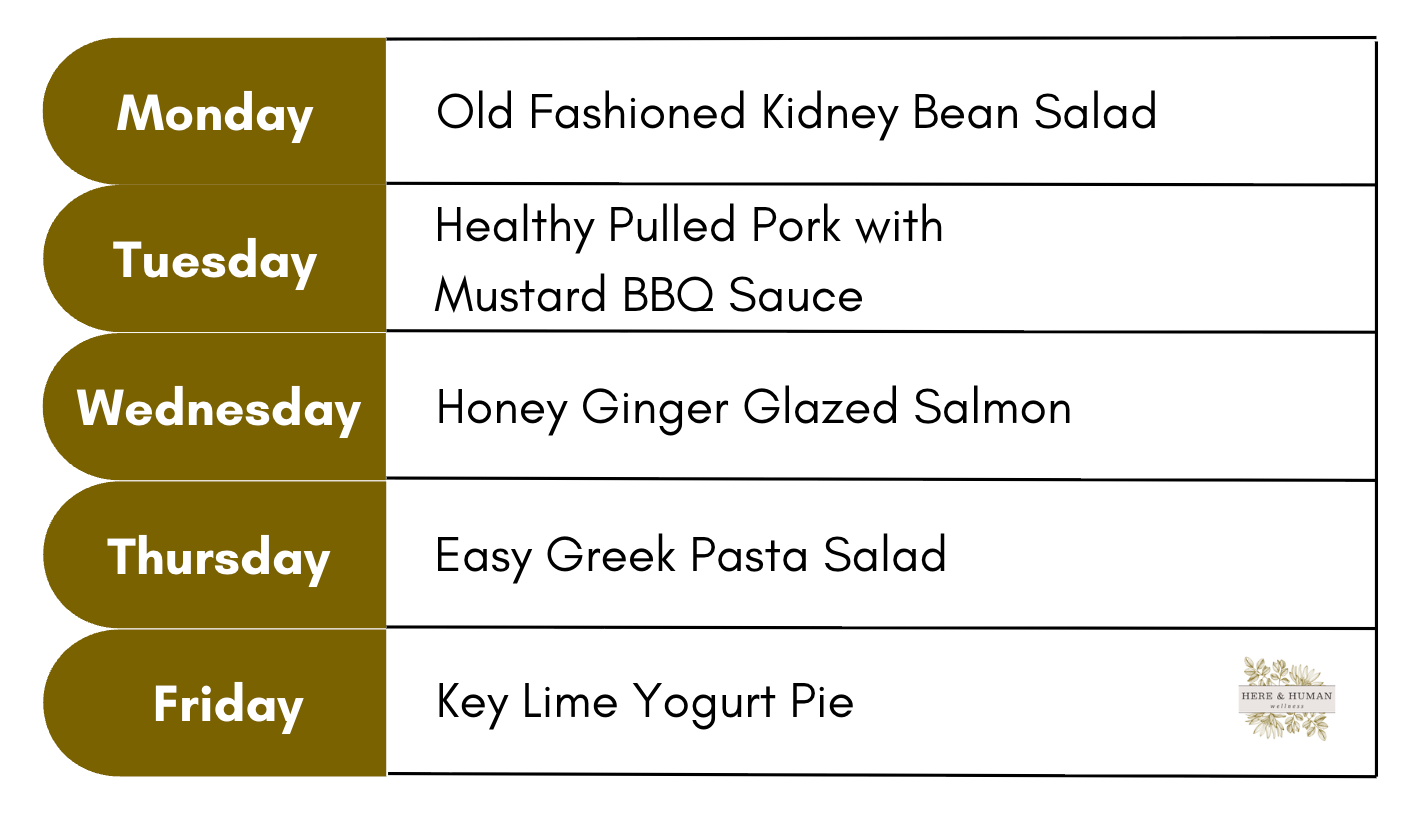
This past weekend I spent time with my side of the family in Tennessee, and this week’s menu was inspired by some of the foods we gathered around while we were there.
My mom’s classic kidney bean salad, my dad’s pulled pork and salmon, plus a few simple side dishes that always seem to taste better when shared around a family table.
Monday
Old Fashioned Kidney Bean Salad

Tuesday
Healthy Pulled Pork with Mustard BBQ Sauce

Wednesday

Thursday

Friday

Happy Summer Eats! XO Jen