I recently returned from a five-day silent retreat, and while there’s so much I could say about the experience, I want to start with what is near and dear to my heart—the food, of course. And not just the food itself, but the experience of eating—more specifically, the joy of eating.
So often in today’s world, the joy of eating feels like it has been stripped away. There’s so much thought around food. So much information about food. So much right and wrong about food. But on this retreat, there was only room for joy and pleasure.
In my private practice, my clients and I go beyond what to eat—we explore how to eat. You might be thinking, Doesn’t everyone know how to eat? But what I mean is approaching food in a way that feels nourishing, respectful, and connected to our body’s natural hunger and fullness cues. We often hear terms like “mindful eating” or “intuitive eating,” but at its core, it’s about our relationship with food, our eating experience, and ultimately, our relationship with ourselves.
I encourage my clients to sit down while eating, chew slowly, and take their time. Not only does this help digestion (which actually begins in the mouth, where enzymes start breaking down carbohydrates), but it also allows us to truly experience our food. But after this retreat, I realized those are just the mechanics of a mindful eating experience. Feeding ourselves and others is a beautiful expression of self-care.
I thought I knew just about everything there was to know about mindful eating—both mentally and physically. The most important way I practice it is by sitting down and eating without distractions, being present with my food and myself at least a couple of times a day. But, of course, there are barriers. There’s the constant feeling that we have so much to do—we try to squeeze in emails while we eat, or as parents, we find ourselves up and down from the table, meeting our kids' needs. Meals are often rushed—before sports practice, music lessons, or a Zoom meeting. There are both perceived and real barriers to eating and only eating.
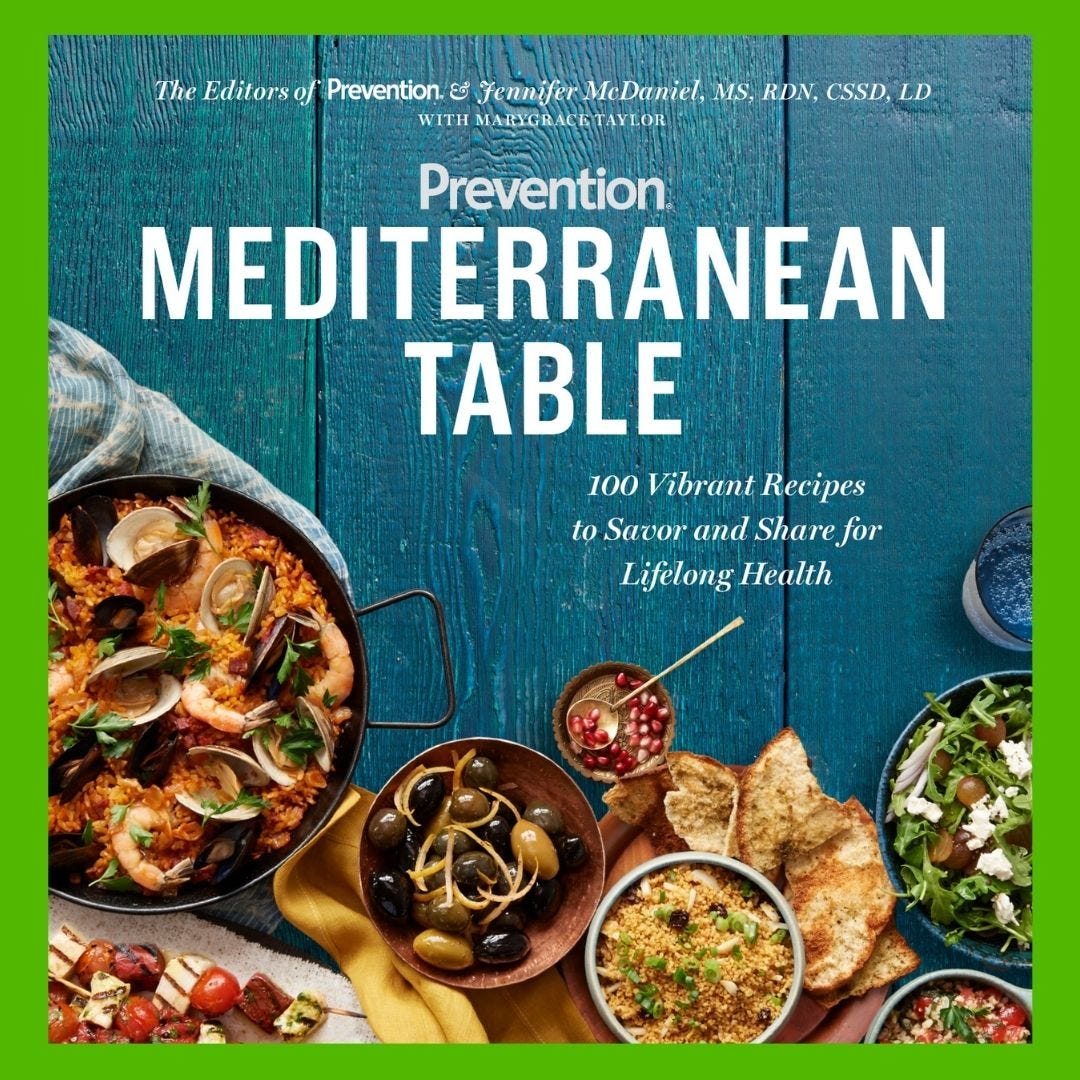
When I wrote The Mediterranean Table years ago, one thing that stood out to me was how Mediterranean cultures celebrate food. They savor their meals. It’s a reflection of their slower, more intentional way of life—something we often lack in Western culture. And while I know I can’t singlehandedly change that, I do have my moments of quiet rebellion—reminding myself that I don’t have to conform all the time.