


October is Menopause Awareness Month, which makes it the perfect time to talk about discernment—the ability to perceive, understand, and judge things clearly, especially the subtle differences. Whether it’s navigating perimenopause and menopause advice or sorting through the endless stream of wellness claims on social media, discernment might just be one of the most important skills we need right now.
So much of today’s wellness advice plays on our fears and vulnerabilities. You’ve probably noticed we hear a lot more about “how to avoid these toxins and poisons in our food system!” than “how to get two more servings of produce into your day.” The latter doesn’t grab headlines or rack up likes—but it’s often the advice that really matters.
💪 You’re Invited: Menopause Strong (FREE Event!)
I’m excited to share that we’re hosting a free community event, Menopause Strong, created to empower women with practical, evidence-based strategies for navigating this season of life. From workouts that support bone and muscle health to nutrition tips that truly matter, this event is all about replacing fear with facts and helping you feel stronger—inside and out.If you or someone you love is in perimenopause or menopause, this is a wonderful way to gather, learn, and walk away with tools you can use right away.

This week, I’m sharing:
Who I think does the best “discerning” for us—because let’s be honest, sorting through the noise takes serious time.
A few prime examples of the “grain of truth turned into full-blown fear” approach that’s all too common on wellness feeds.
Here’s a sneak peek at five myths we’re busting—and the science that sets them straight:
Seed oils are inflammatory and harmful.
Fasted vs. fed exercise—one is definitely better. (Spoiler: It’s more nuanced.)
Women should avoid high-intensity workouts during perimenopause or menopause because of cortisol spikes.
You’re not eating enough protein—more cottage cheese, please!
Your muscle disappears after 30 or 40…unless you lift heavy.
Deciphering who to trust in the online wellness world isn’t easy. And I’m not here to judge—most people aren’t intentionally leading anyone astray, and science is always evolving. Still, there are a few voices I trust to keep it practical, evidence-based, and free from fear-mongering.
My Favorite Evidence-Based Follows
Abby Langer, RD — Canadian dietitian and writer who actively debunks fad diets and champions evidence-led nutrition.
Dr. Jessica Knurick, PhD, RDN — Nutrition scientist with a public health focus and an evidence-first approach.
Dr. Lauren Colenso-Semple — Muscle physiology researcher and science communicator specializing in female physiology and training adaptations.
Val Schonberg, MS, RDN, CSSD — Board-certified sports dietitian helping active women navigate midlife performance and health with confidence.
Now—on to the top 5:
1. Seed oils are inflammatory and harmful
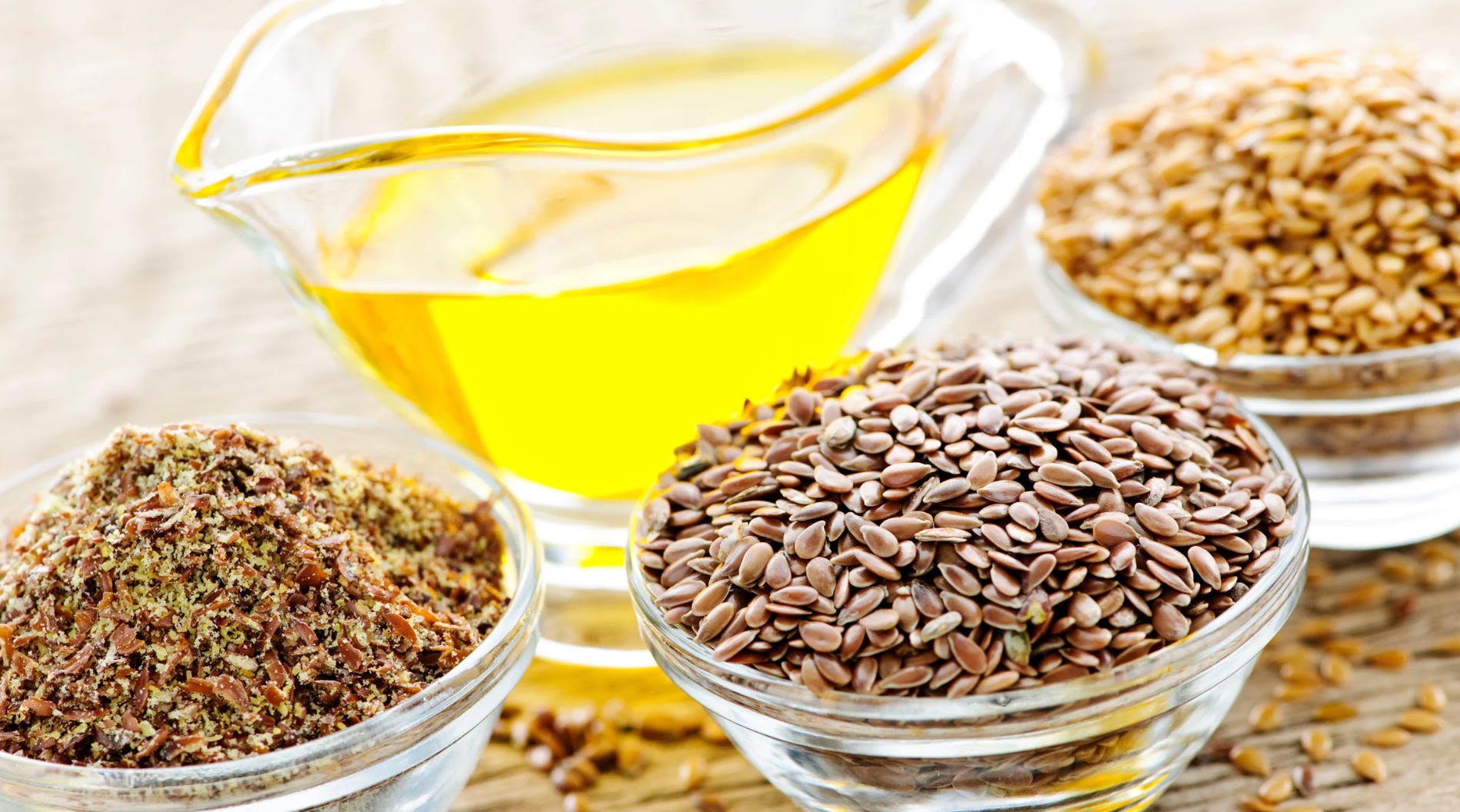
Last year, after leaving a yoga class, I found myself chatting with a new mom about how she was fueling her body. At one point she said, “And I NEVER eat seed oils.” I wasn’t yet aware of the current anti–seed oil movement, but I did know this: there are few times in life when we’re more vulnerable to fear-based nutrition messages than when we’re caring for our first child. And when you’re in that season, cutting out a so-called “toxic” food can feel like an easy way to protect your health — even without strong science behind it.
What the science says: Seed oils are rich in omega-6 fats—essential fats our bodies can’t produce, so we must get them from food. While it’s true that most of us consume far more omega-6s than omega-3s (found in fatty fish and nuts like walnuts), this imbalance has fueled the narrative that omega-6s drive inflammation. The reality? Most people could benefit from more omega-3s, but large meta-analyses show that higher omega-6 intake is actually linked to lower risk of cardiovascular disease, certain cancers, and even all-cause mortality—especially in generally healthy populations.
And what about oxidation? If omega-6–rich oils are heated to very high temperatures — as in deep frying — they can oxidize, producing compounds that promote inflammation. But you can manage that risk by eating seeds in whole form, choosing cold-pressed oils, storing oils away from heat and light, and cooking within their smoke point.
Seed oils like canola are inexpensive, neutral in flavor, and widely used in cooking. Telling people they should only cook with olive or avocado oil can be a privileged message—canola or vegetable oil can be an affordable way for many families to prepare meals, which is why they’re so common in the food system.
In short? Used wisely, seed oils are far more friend than foe.
2. Fasted Exercise
Are you exercising? Amazing! Fuel it as you see fit — because the good news is that science shows both fed and fasted training can work, depending on your goals. This applies to both endurance and strength-based workouts. Fueling your fitness should always be personalized.
This week’s recipe for free subscribers!

Greek Shrimp Saganaki: You’ll definitely want plenty of warm pita bread on hand to soak up every drop of the rich, tomato-feta sauce in this classic Greek shrimp saganaki. I savored the shrimp—and, true to tradition, my European retreat friends crunched right through the shells!
